
Modfather Reigns Supreme: Paul Weller Delivers a Waterfront Masterclass in Liverpool
The uber-cool Modfather was back entertaining his Liverpool fans. A pure masterclass in music! Last night couldn’t have been more perfect. A


Poetry prizes are everywhere. So are prize-nominated books, prize-listed poets, and presses (not so) quietly using awards as a marketing strategy. Ugh!
And honestly? It’s exhausting to watch.
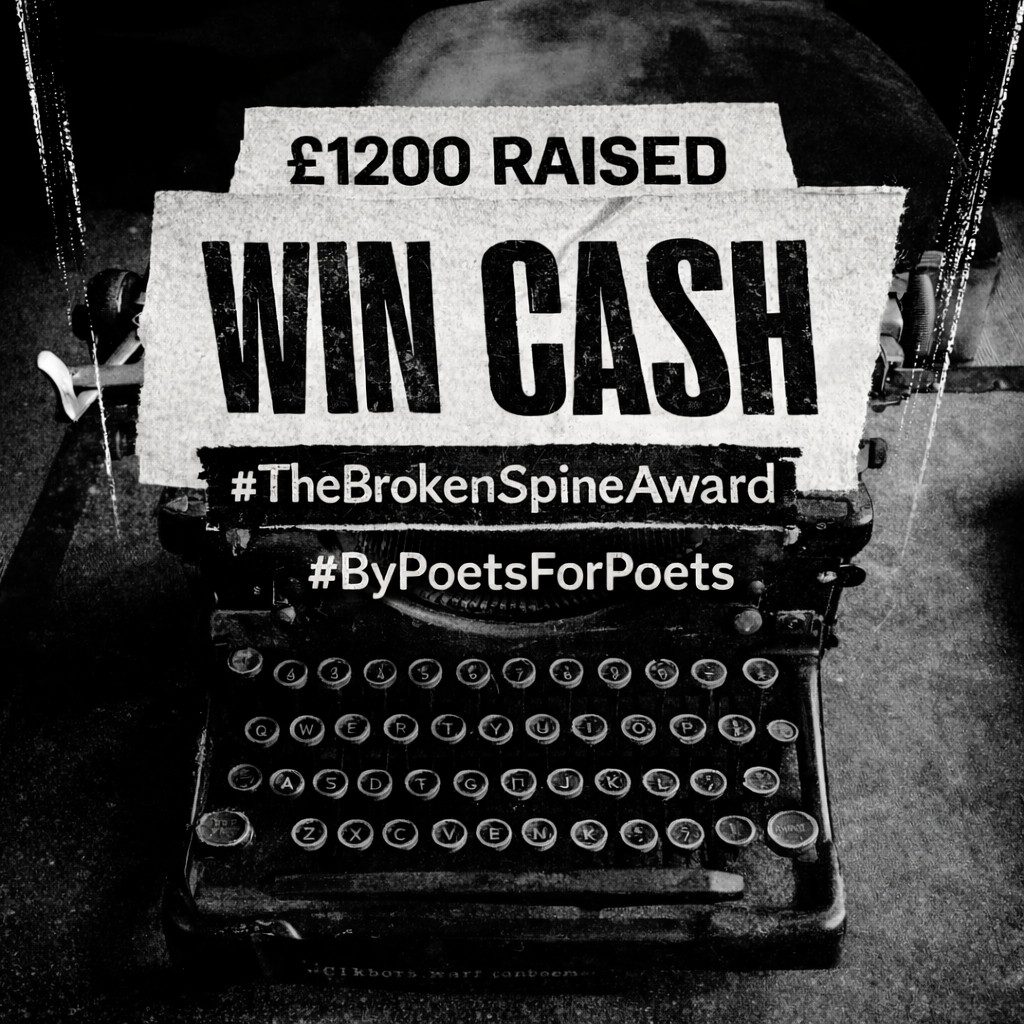
What annoys us most is seeing independent presses, the ones who talk about community, care, and doing things differently, rely on prizes to sell books. Not because the work needs it, but because prestige still shifts units.
Let’s be clear: most poetry prizes aren’t about poetry. They’re about visibility, validation, and sales.
And when indie presses adopt the same tactics as large publishers, using nominations and awards as shortcuts to authority, they stop being alternatives. They just become smaller versions of the same system.
That’s not what we’re here for.
We are, broadly speaking, anti-prize.
Yes, we run a summer competition to identify work we want to publish over the following year. That’s a practical editorial tool, not a prestige exercise. It helps us read widely and find poems we believe in.
Yes, we run a Reader’s Choice Award, because readers deciding what they love makes sense. It removes gatekeepers and puts power where it belongs.
What we don’t do is use prizes or nominations to:
Using prizes to legitimise work or dictate taste is bullshit behaviour, especially for presses that claim to be community-led.
Poems don’t become better because they’re nominated. Books don’t gain moral authority because a panel said so.
Readers don’t need permission.
Poetry prizes like to pretend they identify the best work. They don’t.
They reward:
That doesn’t make them evil, but pretending otherwise is dishonest.
When prizes are used as proof of value, they turn poetry into a managed ecosystem where gatekeepers tell readers what to like. That’s bad for poetry, bad for writers, and bad for communities that already struggle for oxygen.
So instead of complaining quietly, we decided to prove the point.
We created The Broken Spine Award as an experiment, an anti-prize.
We wanted to show just how arbitrary prizes really are.
So we did it openly and without institutional backing. We didn’t chase sponsors. We didn’t dress it up in arts-funding language. We didn’t pretend it was life-changing.
We asked the poetry community directly.
We gave time instead of branding:
And we asked people to chip in if they could.
We hoped to raise more money — genuinely. And it was hard. Fundraising always is.
But what matters is how the money was raised: peer to peer, shoulder to shoulder, without prestige doing the work for us.
This prize will award three poets some actual cash. They will feel good about it, and they should. But let’s not lie about what it means.
It won’t:
It simply means one editor liked these three poems best.
That’s it.
No claim to objectivity.
No myth of “the best”.
No false authority.
And that honesty is the entire point.
A poem with a prize sticker on it is not inherently better than one without. A nominated book is not more deserving of attention than any other.
Prizes don’t confer worth. They just signal approval within a system.
Readers should be trusted to decide what matters to them — not instructed by prizes, panels, or presses borrowing authority to sell product.
This anti-prize will only ever happen once.
It will always be free to enter.
It will never become a brand.
It will never be used to sell books.
No legacy.
No prestige ladder.
No institutional creep.
Just a single, honest gesture: poets paying poets, a community backing itself, and a public refusal to pretend prizes are anything more than they are.
If you contributed, you didn’t do it for recognition. You did it for your peers.
You did it because poets deserve money more than they deserve validation theatre.
This is how we show love for the poetry community — directly, imperfectly, without selling out.
This is the anti-prize.
And once it’s done, it’s done.

The uber-cool Modfather was back entertaining his Liverpool fans. A pure masterclass in music! Last night couldn’t have been more perfect. A

The live screening of Dirty Dancing with full band at The Philharmonic Hall made for a wonderful summer’s night of uplifting music

In choosing to depict Vincent Van Gogh from the perspective of bereaved younger brother Theo, writer-actor Joseph Winder has created a play